
The World of "An Enemy of the People" by Ali Tallman
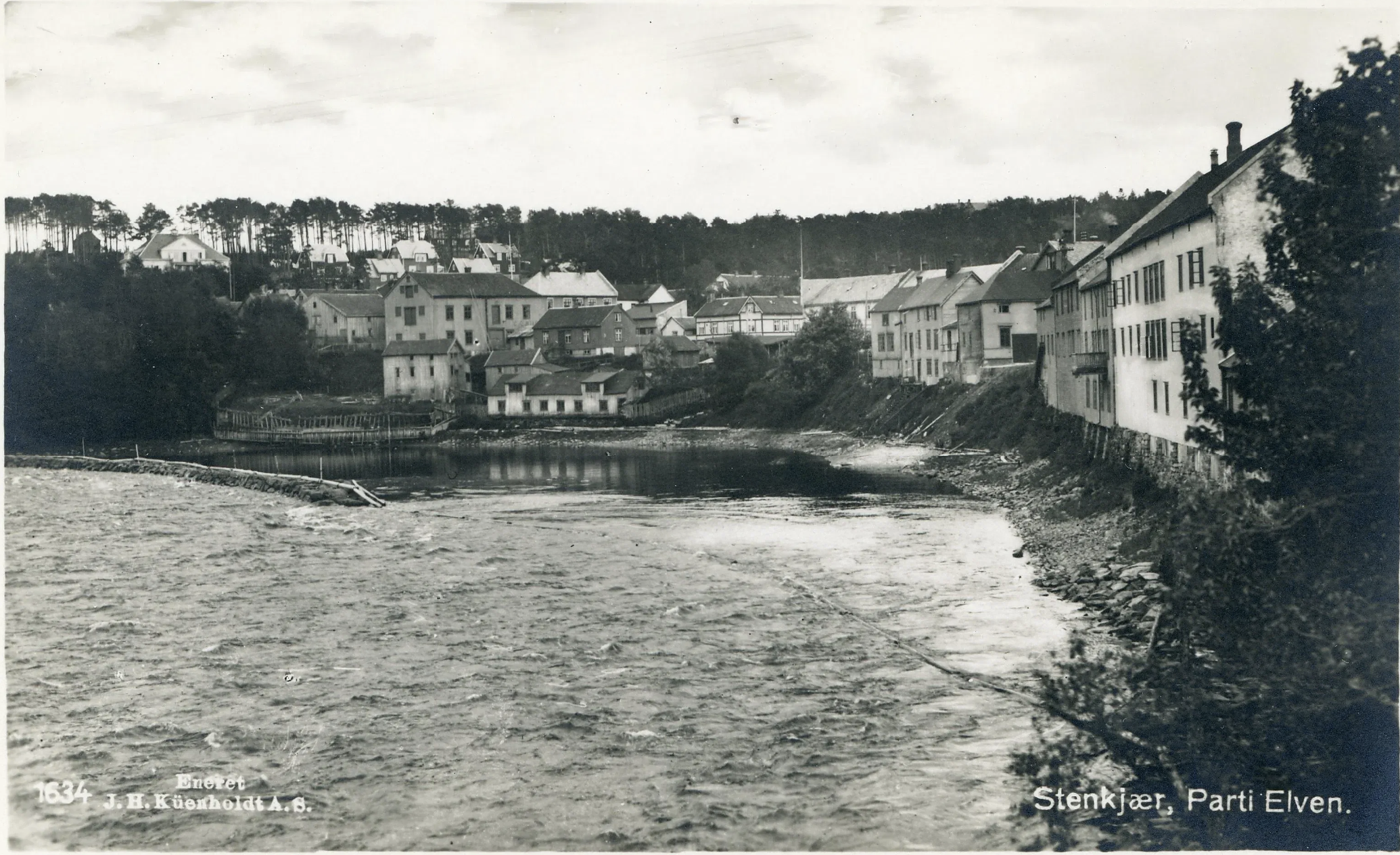
Setting
An Enemy of the People is set in the early 1880s in a small coastal town in southeastern Norway.
In the early 1880s, Norway was on the verge of massive political change.
The country had been under the rule of the Swedish monarch since 1814, though they had their own constitution and parliament, called the Storting.
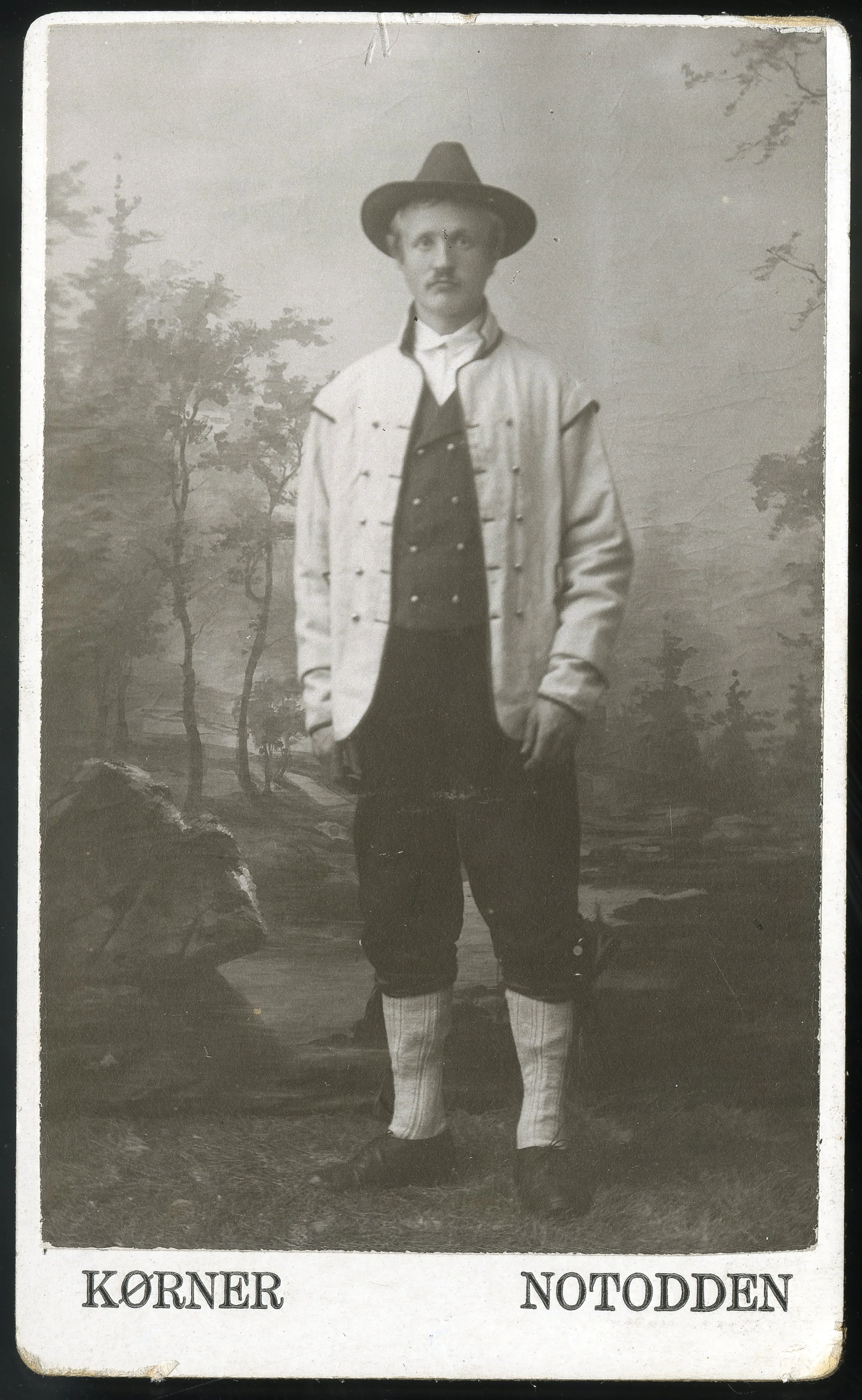
Portrait of Sveinung Mostaul in traditional folk costume (1879 -1939), Photo: Kørner, Sophus / Telemark Museum
After a hard-won battle, Norway introduced parliamentarianism - in which the cabinet became answerable to the Storting instead of King Oscar II, fundamentally shifting the balance of power. By 1884, a new government was taking shape and both the Liberal and Conservative Parties were founded.
Prior to 1883, only men over 25 who owned or leased taxed land or owned property in towns above a certain value threshold could vote. An ‘84 reform would expand voting rights to men paying tax on a minimum income. Trial by jury wouldn’t be introduced until 1887.
National Romanticism
As Norwegians strove for political independence, they also sought a distinct Norwegian cultural identity, separate from both 400 years of Danish province (1380-1814) and the current Swedish union.
Rural farmers and peasants were looked to as the embodiment of authentic Norwegian culture. Norway’s medieval history and nature were signifiers of national greatness. Folk tales, songs, and rural dialects were collected, and a written language rooted in Norwegian speech was synthesized.
This time was also a key moment in “Norwegianization”, a state-sponsored assimilation policy that aimed to suppress and erase the languages and cultures of the indigenous Sámi and Kven people, as well as other minorities. The nationalism and social Darwinism of the early 1880s intensified these efforts.
Economy
The early 1880s were marked by a far-reaching economic crisis. Cheap American prairie grain drove an economic depression, leading to rural poverty and high rates of emigration, which peaked at roughly 29,000 people in 1882.
Infrastructure & Technology
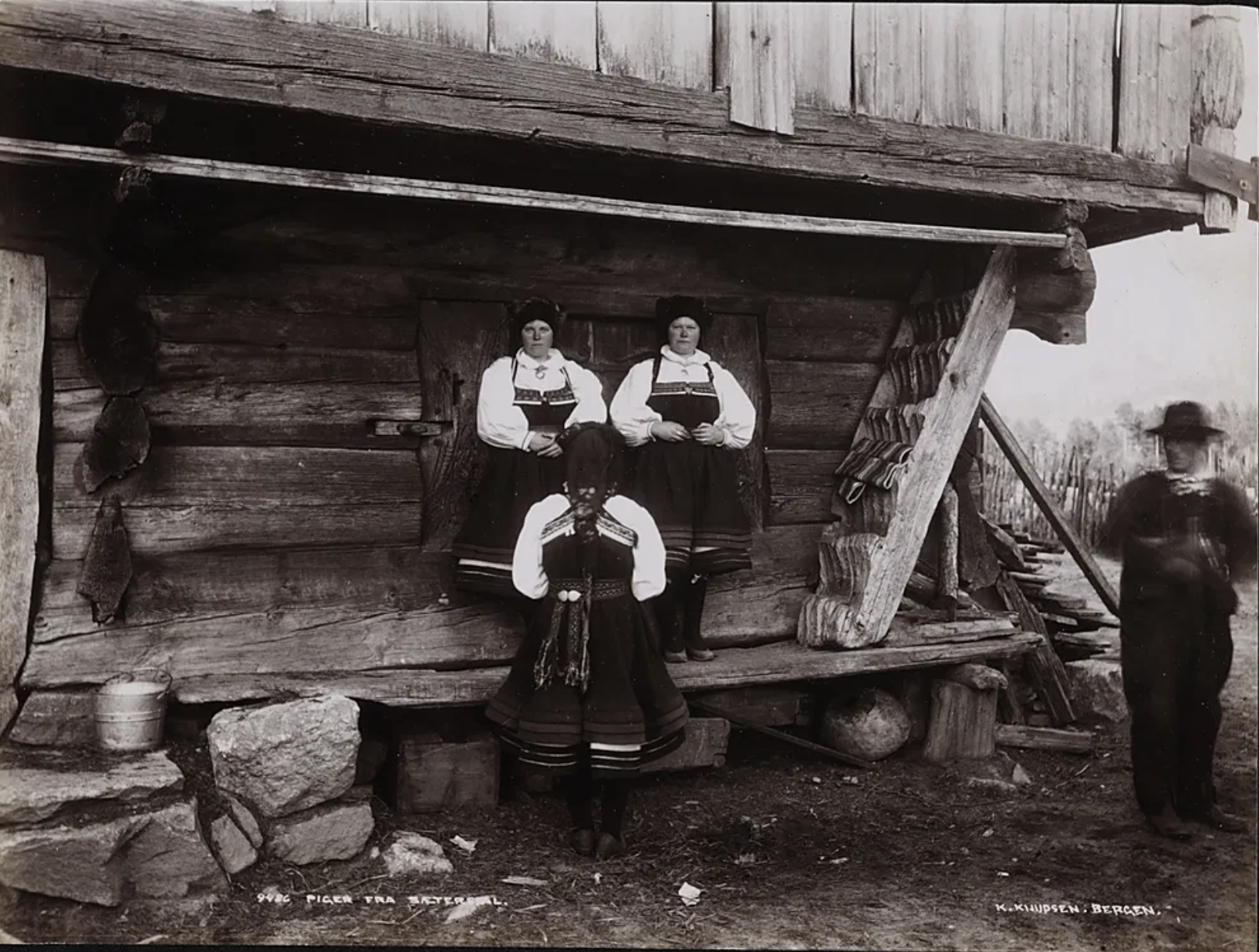
Daily transport was horse-drawn, by boat, or on foot. The Voss Line railway opened in 1883, but railways were still limited. Electrification was in its infancy. Limited telephone service arrived in 1880 - for most Norwegians, the telegraph was still the primary means of rapid communication.
Public Health & Science
Germ theory was still new - fiercely contested in the medical and scientific fields, and unfamiliar to the Norwegian public.
In 1873, Norwegian physician Gerhard Armauer Hansen had identified the leprosy bacillus - the first proof a bacterium could cause a chronic disease. In 1882, Robert Koch identified the tubercle bacillus. Despite these breakthroughs, miasma theory (the idea that disease came from foul air) was still the dominant public understanding of disease. Dr. Stockmann’s claims collide with both established medical authority and popular belief.
“En folkefiende! Lenge leve Norge!”
“An Enemy of the People! Long live Norway!”
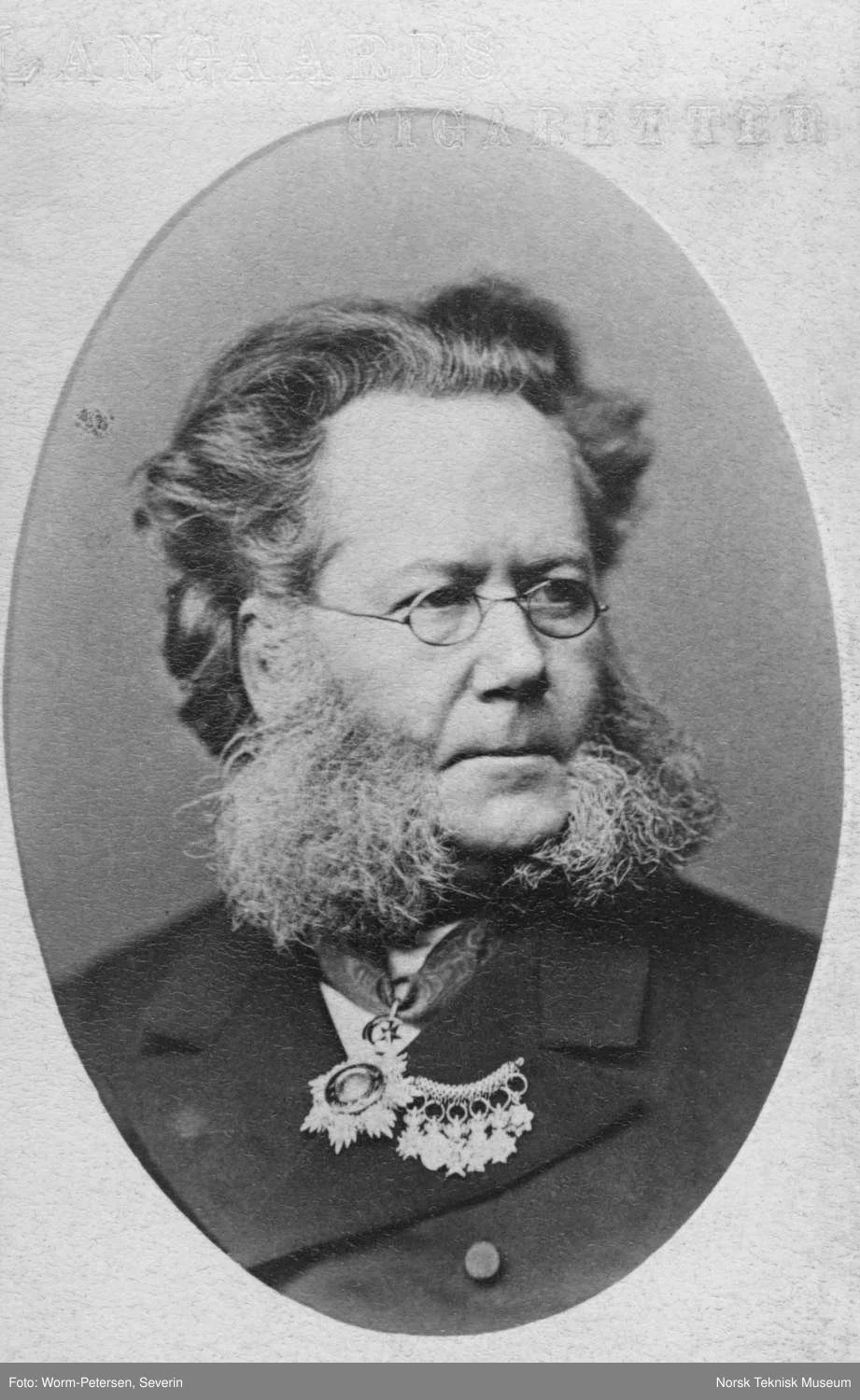
Henrik Ibsen, c. 1880-1900, Photo: Worm-Petersen, Severin / Norsk Teknisk Museum
Henrik Ibsen
Norwegian playwright, a pre-eminent writer of the 19th century, "the father of modern drama". Enemy was the final major statement of his "social problem" phase before he turned inward toward psychological and symbolic drama (The Wild Duck, Hedda Gabler, The Master Builder, When We Dead Awaken, etc.)
The myth that Enemy was written in response to public reaction to his play Ghosts has been debunked by his own writings, but there are many theories about figures in his personal life and political events from the time that inspired the play.
Initial critical reviews of Enemy were mixed or divided. What survives from the early Norwegian productions shows critics interpreting the play very differently depending on their political sympathies.
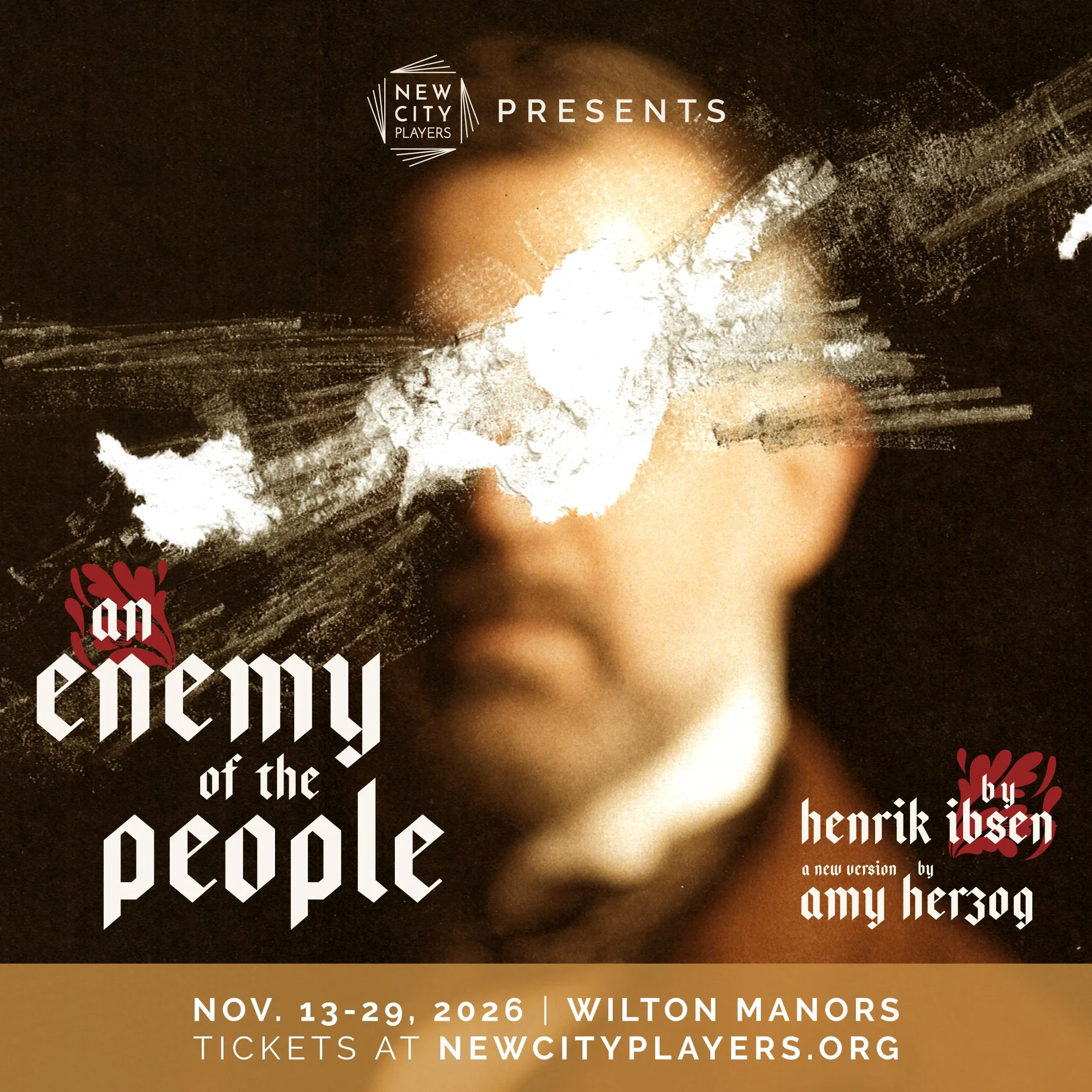
AN ENEMY OF THE PEOPLE
By Henrik Ibsen, adapted by Amy Herzog
Directed by Ali Tallman
Nov. 13-29, 2026 at Island City Stage
A doctor becomes convinced the town's water is making people sick. If he's right, fixing it would cost the town its livelihood. Now the whole community has to decide what comes next.
WHEN
November 13-29 2026
PRICE
$40-45
Make sure to plan your visit after booking tickets!